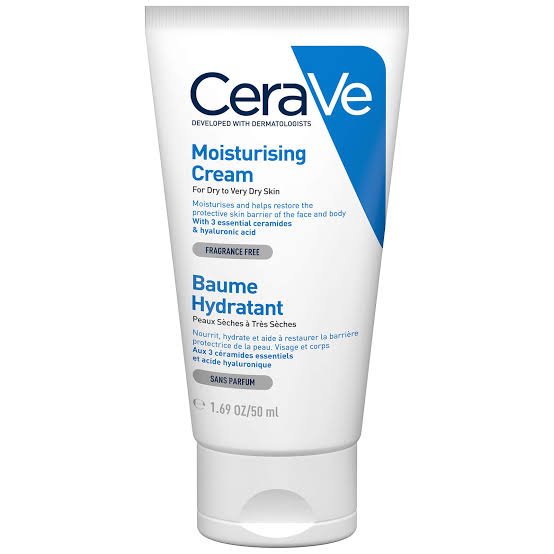
Finding a reliable moisturizer that delivers deep hydration without irritating sensitive skin can feel like an endless trial-and-error process. Among the countless products on drugstore shelves, CeraVe Moisturizing Cream—often referred to simply as “CeraVe in the tub”—has achieved near-legendary status among dermatologists and skincare enthusiasts alike.
Formulated to restore and protect the natural skin barrier, this heavy-duty cream promises 24-hour hydration using a blend of skin-identical lipids and advanced delivery technology. But does it live up to the massive hype for every skin type? In this comprehensive CeraVe Moisturizing Cream review, we break down the formulation, real-world performance, safety profile, and daily feel to help you decide if it belongs in your routine.
Disclaimer: Skincare results vary from person to person based on genetics, climate, and individual sensitivities. This review is for educational purposes and does not constitute medical advice.
Table of Contents
- Product Overview
- Quick Summary
- Brand Overview
- Packaging & Usability
- Texture & Feel
- Ingredients Breakdown
- Performance Review
- How To Use
- My Overall Evaluation
- Pros
- Cons
- Is It Worth Buying?
- Alternatives
- Frequently Asked Questions
- Final Verdict
Product Overview
CeraVe Moisturizing Cream is a rich, non-greasy, fragrance-free moisturizer engineered for both the face and body. It is primarily formulated to treat dry to extremely dry skin, as well as skin conditions characterized by a compromised skin barrier, such as eczema, psoriasis, and seasonal desquamation (flaking).
The core philosophy behind the product is simple: rather than merely sitting on top of the skin to create a temporary shine, it supplies the epidermis with physiological lipids—specifically ceramides 1, 3, and 6-II—that your skin naturally uses to lock in water and keep irritants out.
While it is rich enough for severe body dryness, millions of users incorporate it into their facial skincare routines, particularly when using active ingredients like retinoids, alpha hydroxy acids (AHAs), or benzoyl peroxide that tend to strip the skin’s moisture layer.
Quick Summary
| Feature | Detail |
| Product Type | Occlusive & Emollient Barrier Repair Cream |
| Best For | Dry to Very Dry Skin, Compromised Skin Barriers, Eczema-Prone Skin |
| Skin Types | Normal, Dry, Very Dry, Sensitive |
| Texture | Rich, dense, velvety cream |
| Fragrance | 100% Fragrance-Free |
| Key Ingredients | Ceramides (NP, AP, EOP), Hyaluronic Acid, Petrolatum, Glycerin, Dimethicone |
| Size Options | 1.8 oz (Travel Tube), 8 oz (Tube), 12 oz (Tub), 16 oz, 19 oz (Tub with Pump) |
| Price Range | $5.00 – $22.00 USD (Varies by size and retailer) |
| Overall Rating | 4.7 / 5.0 — An industry standard for affordable barrier repair. |
Summary Pros & Cons
- Pros: Deeply hydrating, restores barrier function, fragrance-free, accepted by the National Eczema Association, highly cost-effective per ounce.
- Cons: High petrolatum and cetearyl alcohol content can trigger breakouts in oily or highly congestion-prone skin; large tub without a pump can pose hygiene concerns if handled with unwashed hands.
Brand Overview
CeraVe was founded in 2005 in collaboration with leading dermatologists who recognized that many common skin conditions—such as acne, eczema, psoriasis, and dry skin—share a common underlying factor: a depleted skin barrier.
acquired by L’Oréal in 2017, CeraVe has maintained its focus on accessible, science-backed dermatological formulations. A cornerstone of the brand is its proprietary MVE (MultiVesicular Emulsion) Delivery Technology. Unlike conventional creams that release their moisturizing ingredients in a single burst upon application, MVE technology encapsulates key ingredients in concentric spheres that slowly unwind over time, delivering sustained release of ceramides and humectants throughout the day or night.
Packaging & Usability
CeraVe Moisturizing Cream comes in several packaging formats, ranging from squeeze tubes (ideal for travel or hygienic facial application) to large 16 oz and 19 oz jars.
+-----------------------------------------------------------------------+
|                             PACKAGING TYPES                           |
+-----------------------------------+-----------------------------------+
| Squeeze Tube (1.8 oz - 8 oz)      | Open Tub / Tub with Pump (16-19oz)|
+-----------------------------------+-----------------------------------+
| • Best for travel                 | • Ideal for full-body use         |
| • Minimizes air exposure          | • Best value per ounce            |
| • Preferred for facial application| • Pump mechanism maintains hygiene|
+-----------------------------------+-----------------------------------+
The iconic wide-mouth tub allows you to scoop out generous amounts for full-body application after showering. However, dipping fingers directly into a jar repeatedly introduces risk of bacterial contamination over time. For facial use, purchasing the 19 oz jar equipped with a pump top or opting for the squeeze tube format is strongly recommended to preserve formula integrity.
Texture & Feel
At first touch, CeraVe Moisturizing Cream has a firm, cushiony texture. It holds its shape without slumping, typical of an occlusive-rich formula.
Texture Density:   [========= ] (Thick & Cushioning)
Absorption Speed:  [======    ] (Moderate - 2 to 3 minutes)
Finish:            [=====     ] (Velvety Semi-Matte)
Sticky Residue:    [==        ] (Minimal after set-down)
Despite its initial density, the cream spreads smoothly across the skin. Thanks to the inclusion of dimethicone and fatty alcohols, it breaks down upon contact with body heat and absorbs rapidly without leaving a greasy or sticky film. Once fully set (usually within 2 to 3 minutes), it leaves a soft, velvety semi-matte finish on the skin rather than a heavy, shiny glaze.
Ingredients Breakdown
The effectiveness of CeraVe Moisturizing Cream stems from its streamlined, purposeful ingredient list. Below is an analysis of its core functional components:
Purified Water, Glycerin, Ceteareth-20 and Cetearyl Alcohol, Caprylic/Capric Triglyceride,
Behentrimonium Methosulfate and Cetearyl Alcohol, Cetyl Alcohol, Ceramide NP (Ceramide 3),
Ceramide AP (Ceramide 6-II), Ceramide EOP (Ceramide 1), Hyaluronic Acid, Cholesterol,
Petrolatum, Dimethicone, Potassium Phosphate, Dipotassium Phosphate, Sodium Lauroyl Lactylate,
Disodium EDTA, Phenoxyethanol, Ethylhexylglycerin.
+---------------------------------------------------------------------------------+
|                               INGREDIENT ROLES                                  |
+----------------------+--------------------+-------------------------------------+
| Ingredient           | Category           | Primary Function                    |
+----------------------+--------------------+-------------------------------------+
| Glycerin             | Humectant          | Draws water into stratum corneum    |
| Ceramides (NP,AP,EOP)| Skin-Identical Lipid| Restores intercellular lipid matrix |
| Petrolatum           | Occlusive          | Prevents transepidermal water loss  |
| Dimethicone          | Emollient Protectant| Smooths texture, locks in moisture  |
| Hyaluronic Acid      | Humectant          | Binds moisture to surface layers    |
| Cholesterol          | Skin-Identical Lipid| Works with ceramides for barrier fit|
+----------------------+--------------------+-------------------------------------+
Key Active Components
- The Ceramide Trio (NP, AP, EOP): Ceramides make up roughly 50% of the lipids in a healthy skin barrier. Ceramide NP improves long-term moisture retention; Ceramide AP supports natural desquamation and barrier cohesion; Ceramide EOP links structural lipids together.
- Petrolatum: Widely recognized as one of the most effective occlusive agents available, petrolatum reduces Transepidermal Water Loss (TEWL) by up to 98%, creating a protective seal over raw or irritated skin.
- Glycerin & Sodium Hyaluronate: These humectants attract moisture from the ambient air and deeper epidermal layers to keep surface cells plump and hydrated.
- Caprylic/Capric Triglyceride: A coconut oil-derived fatty acid ester that provides emollient smoothing without a heavy oil residue.
Sensitivity Note: The combination of Cetearyl Alcohol and Ceteareth-20 creates a highly stable texture, but it can occasionally trigger pore congestion (comedogenicity) in individuals with highly acne-prone skin.
Performance Review
To assess performance, we evaluated CeraVe Moisturizing Cream across major skin concerns and application scenarios over a extended period of daily testing.
+-------------------------------------------------------------------------+
|                         PERFORMANCE DASHBOARD                           |
+-------------------------------------------------------------------------+
| Dryness & Flaking Relief   : [==========] (10/10)                       |
| Barrier Repair Speed       : [=========-] (9/10)                        |
| Sensitive Skin Tolerance   : [=========-] (9/10)                        |
| Makeup Compatibility       : [======----] (6/10 - Requires set time)    |
| Oily Skin Suitability      : [====------] (4/10 - May feel heavy)       |
+-------------------------------------------------------------------------+
1. Hydration & Barrier Repair
For dry, flaky, or tight-feeling skin, performance is exceptional. The combination of glycerin and petrolatum offers instant comfort. When applied to damp skin post-cleansing, it seals in water and eliminates dry patches within 24 to 48 hours of consistent use.
2. Sensitivity & Redness
Because the formula is free from added fragrances, essential oils, drying alcohols, and common botanical irritants, it exhibits high skin tolerance. It holds the National Eczema Association Seal of Acceptance, making it a reliable choice for skin experiencing active flare-ups, rosacea-associated dryness, or retinoid-induced peeling.
3. Acne & Oil Control
While labeled as non-comedogenic, performance on acne-prone skin varies. For dry or normal skin dealing with occasional breakouts, it generally poses no issues. However, those with naturally oily or congested skin may find the petrolatum-rich formula overly heavy, occasionally leading to clogged pores or milia around the delicate eye area.
4. Makeup Compatibility
Due to its cushiony texture, applying liquid foundation directly over a fresh layer of CeraVe Cream can cause minor pilling if not allowed to absorb fully. Allowing 5 to 10 minutes for the cream to set creates a smooth, hydrated canvas for cosmetics.
How To Use
To maximize hydration and support barrier function, follow this application method:
1.Cleanse Gently:Morning & Night.
Wash your face or body with a mild, non-stripping cleanser. Avoid scalding hot water, which disrupts natural surface lipids.
2.Leave Skin Damp:Crucial Step.
Do not pat skin completely dry. Leave a light film of moisture on the skin to give the humectants (glycerin and hyaluronic acid) water to bind to.
3.Apply Active Serums:Optional.
If using treatment products (such as vitamin C, niacinamide, or prescription topicals), apply them now and let them absorb for 1-2 minutes.
4.Dispense & Massage:Pea-sized for face.
Scoop a nickel-sized amount for the face (or generous amounts for the body). Warm the cream between your fingertips and gently press it into the skin using upward motions.
My Overall Evaluation
CeraVe Moisturizing Cream remains one of the most reliable workhorse moisturizers on the market. It does not promise unrealistic anti-aging transformations or instant skin reshaping; instead, it focuses entirely on executing the fundamental purpose of a moisturizer: restoring and maintaining a healthy skin barrier.
Its strength lies in its balance of humectants, emollients, and occlusives, reinforced by dermatologist-backed ceramide science. While the thick consistency may not suit those seeking a weightless gel feel, its cost-to-performance ratio makes it an indispensable staple for dry, sensitive, or climate-compromised skin.
Pros
- Science-Backed Formulation: Contains three essential ceramides identical to those found naturally in human skin.
- Sustained Moisture: Uses patented MVE technology for extended hydration release throughout the day.
- Fragrance-Free & Non-Irritating: Suitable for reactive skin, eczema, and conditions prone to flare-ups.
- Multi-Use Versatility: Performs effectively on both facial skin and dry body areas (elbows, knees, feet).
- Exceptional Value: High volume per container keeps long-term skincare costs low.
Cons
- Potential for Congestion: Fatty alcohol and petrolatum combinations may clog pores for extremely oily or acne-prone individuals.
- Jar Hygiene: Standard wide-mouth tubs require careful handling or a separate pump attachment to prevent contamination.
- Set Time Required: Needs several minutes to fully set down before applying sunscreens or makeup.
Is It Worth Buying?
Yes, absolutely—for the right skin type.
If you have normal, dry, extra-dry, or sensitive skin, CeraVe Moisturizing Cream offers exceptional value for money. It is especially beneficial during cold winter months, in dry climates, or when repairing a damaged skin barrier caused by over-exfoliation.
+-------------------------------------------------------------------------+
|                           SHOULD YOU BUY IT?                            |
+-----------------------------------+-------------------------------------+
| BUY IT IF:                        | SKIP IT IF:                         |
+-----------------------------------+-------------------------------------+
| • You have dry, flaky, tight skin | • You have naturally very oily skin |
| • Your barrier is compromised     | • You prefer a weightless gel texture|
| • You use retinoids or AHAs/BHAs  | • You are prone to milia under eyes |
| • You want fragrance-free care    | • You want active anti-aging ingredients|
+-----------------------------------+-------------------------------------+
Alternatives
If CeraVe Moisturizing Cream doesn’t quite fit your texture preferences or skin needs, consider these three alternatives:
+---------------------------------------------------------------------------------+
|                             MOISTURIZER COMPARISON                              |
+------------------------+-----------------------+--------------------------------+
| Product                | Best For              | Key Difference                 |
+------------------------+-----------------------+--------------------------------+
| CeraVe Cream           | Dry / Barrier Repair  | Ceramides + Petrolatum finish  |
| Vanicream Facial Cream | Ultra-Sensitive Skin  | Free of dyes, lanolin, parabens|
| La Roche-Posay AP+M    | Eczema / Intense Itch | Niacinamide + Thermal Water    |
| CeraVe Daily Lotion    | Oily / Combination    | Lightweight fluid texture      |
+------------------------+-----------------------+--------------------------------+
1. Vanicream Moisturizing Cream
- Key Difference: Vanicream omits ceramides and niacinamide entirely, focusing on an ultra-minimalist formula designed for skin that reacts to almost everything.
- Best For: Extremely reactive or allergy-prone skin types needing pure occlusive protection without complex active lipids.
2. La Roche-Posay Lipikar AP+M Triple Repair Cream
- Key Difference: Features a higher concentration of Shea Butter, Niacinamide, and La Roche-Posay Thermal Spring Water.
- Best For: Severely dry, itchy skin and active eczema flare-ups requiring extra soothing power.
3. CeraVe Daily Moisturizing Lotion
- Key Difference: The fluid lotion counterpart to the cream. It uses lighter emollients with a lower petrolatum concentration.
- Best For: Normal to combination skin types who want the ceramide benefits of CeraVe in a lightweight, liquid format.
Frequently Asked Questions
1. Can I use CeraVe Moisturizing Cream on my face every day?
Yes. CeraVe Moisturizing Cream is formulated for safe daily use on both the face and body. If you have normal to dry skin, it works well as a daily morning and evening facial moisturizer.
2. Is CeraVe Moisturizing Cream safe for acne-prone skin?
While the cream is labeled non-comedogenic, its heavy occlusive base (petrolatum) and fatty alcohols can occasionally trigger breakouts in individuals with severely congestion-prone or oily skin. Patch testing is recommended.
3. Will CeraVe Moisturizing Cream help repair a damaged skin barrier?
Yes. The formula provides the exact lipid building blocks—ceramides, cholesterol, and fatty acids—needed to repair an outer skin barrier damaged by over-exfoliation, harsh weather, or active ingredients.
4. What is the difference between CeraVe Cream and CeraVe Lotion?
The cream comes in a tub or squeeze tube, featuring a thick texture with petrolatum for heavy-duty occlusion. The lotion comes in a pump bottle, offering a fluid, oil-free feel suitable for lighter hydration needs.
5. Can I use CeraVe Cream while using Retinol or Tretinoin?
Yes. Dermatologists frequently recommend applying CeraVe Moisturizing Cream alongside retinoids to buffer irritation, reduce peeling, and counteract dryness.
6. Does CeraVe Moisturizing Cream contain parabens or fragrance?
No. The standard formulation is free of parabens, artificial fragrances, essential oils, and drying alcohols, making it suitable for sensitive skin.
7. Does this cream help with eczema?
Yes. CeraVe Moisturizing Cream holds the National Eczema Association Seal of Acceptance and is specifically designed to soothe dry, itchy, and eczema-prone skin.
8. How long does it take for CeraVe Cream to show results?
Immediate relief from surface tightness occurs upon application. Structural skin barrier improvements and reduced flaking typically become noticeable within 3 to 7 days of consistent morning and night use.
9. Can I layer CeraVe Cream under sunscreen?
Yes. Allow the cream 3 to 5 minutes to fully absorb into the skin before applying your broad-spectrum sunscreen to prevent pilling and ensure smooth application.
10. How should I hygienically use the large CeraVe tub?
To avoid introducing bacteria into the jar, wash your hands thoroughly before scooping, use a clean cosmetic spatula, or purchase the version fitted with a pump dispenser.
Final Verdict
CeraVe Moisturizing Cream remains a gold standard in accessible, science-backed skincare. By pairing skin-identical ceramides with an effective occlusive system and time-release technology, it delivers long-lasting moisture and barrier repair without unnecessary additives.
While oily skin types may prefer a lighter fluid, anyone dealing with dry skin, environmental stress, or a compromised skin barrier will find this cream to be a highly effective staple in their daily routine.