Rosemary oil has quietly become one of the most searched hair care ingredients online, often compared to minoxidil, the active ingredient in many over-the-counter hair growth treatments. That’s a bold comparison for a kitchen herb.
So is rosemary oil actually backed by science, or is this another case of a trend running ahead of the evidence?
I looked into the clinical studies, traditional use, and dermatology guidance behind rosemary oil to give you a clear, honest picture. Here’s everything worth knowing before you add it to your hair routine.
What Is Rosemary Oil?
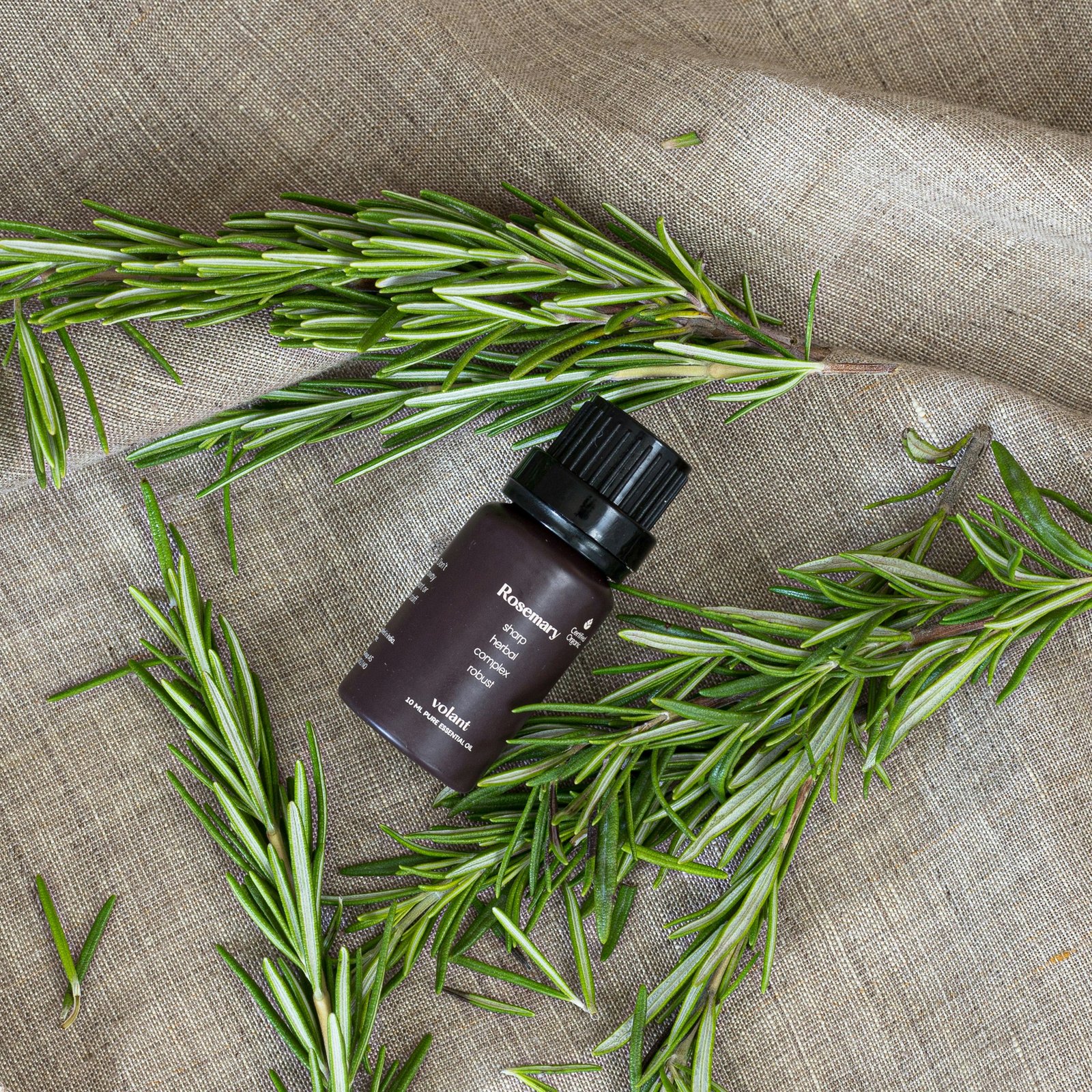
Rosemary oil is an essential oil extracted from the leaves of the rosemary plant, a woody herb commonly used in cooking. It’s been used for centuries in traditional medicine across the Mediterranean and Middle East, often applied to the scalp to support hair health.
In recent years, rosemary oil has moved from folk remedy to a legitimate subject of clinical research, largely because of a widely cited 2015 study comparing it directly to minoxidil for treating hair thinning.
Unlike many trending hair ingredients, rosemary oil actually has some real research behind it, which is part of why it’s earned a more serious reputation than most viral hair hacks.
Benefits of Rosemary Oil for Hair
1. May Support Hair Regrowth
The most notable rosemary oil study, published in the journal Skinmed in 2015, found that rosemary oil performed comparably to 2% minoxidil in increasing hair count after six months of use in people with androgenetic alopecia. Participants also reported less scalp itching with rosemary oil compared to minoxidil.
2. Improves Blood Circulation to the Scalp
Rosemary oil is believed to stimulate circulation when massaged into the scalp. Better blood flow can help deliver more oxygen and nutrients to hair follicles, supporting a healthier growth environment.
3. Contains Antioxidant and Anti-Inflammatory Properties
Rosemary is rich in compounds like carnosic acid, which may help protect scalp cells from damage and reduce inflammation that can interfere with healthy hair growth.
4. May Help Reduce Dandruff and Scalp Irritation
Some research suggests rosemary oil has antimicrobial properties, which may help manage dandruff-causing yeast on the scalp, though this area needs more dedicated study.
5. A Gentler Option for Sensitive Scalps
Because it’s plant-derived and doesn’t carry the same side effect profile as topical minoxidil, rosemary oil is often better tolerated by people with sensitive skin.
Who Should Use It
Rosemary oil may be worth trying if you:
- Are experiencing early-stage thinning hair and want a natural option to try
- Have a sensitive scalp and want to avoid harsher chemical treatments
- Deal with an itchy or flaky scalp alongside hair thinning
- Want to support scalp circulation as part of a broader hair care routine
- Prefer natural ingredients over pharmaceutical options, and understand the limits of that choice
Who Should Avoid It
Rosemary oil isn’t the right choice for everyone. Use caution, or avoid it, if you:
- Are pregnant or breastfeeding, since concentrated rosemary oil hasn’t been well studied for safety in these cases
- Have very sensitive skin or a history of allergic reactions to essential oils
- Have broken, irritated, or infected skin on the scalp
- Are expecting fast or dramatic results, since natural oils tend to work gradually
- Have a diagnosed medical cause of hair loss that requires a specific, prescribed treatment
As with any essential oil, a patch test is essential before full use, since allergic reactions and skin sensitivities are common even with natural ingredients.
Key Compounds in Rosemary Oil
Carnosic Acid is one of the main antioxidant compounds in rosemary, believed to help protect hair follicle cells from oxidative stress.
Rosmarinic Acid has anti-inflammatory properties that may help calm scalp irritation and support a healthier scalp environment for hair growth.
Camphor contributes to the tingling, stimulating sensation often felt when rosemary oil is applied, which some believe supports circulation.
Cineole has antimicrobial properties that may help with scalp conditions linked to fungal or bacterial imbalance.
How Rosemary Oil Works for Hair
Rosemary oil is thought to work through a few different pathways rather than one single mechanism.
First, the massage action alone, regardless of the oil used, can boost blood flow to the scalp. Adding rosemary oil’s active compounds may enhance this effect further.
Second, its antioxidant properties may help protect hair follicles from oxidative stress, a factor increasingly linked to premature hair thinning and follicle miniaturization.
Third, some researchers believe rosemary oil may have a mild effect on DHT, the hormone closely linked to pattern hair loss, similar in concept to how minoxidil works, though through a different pathway. This theory is still being explored and isn’t as firmly established as its circulation and antioxidant benefits.
Step-by-Step: How to Use Rosemary Oil for Hair
- Always dilute rosemary essential oil with a carrier oil, such as jojoba, argan, or coconut oil. A common ratio is a few drops of rosemary oil per tablespoon of carrier oil.
- Do a patch test on your inner arm and wait 24 hours to check for irritation before applying it to your scalp.
- Part your hair into sections and apply the diluted oil directly to your scalp using your fingertips or a dropper.
- Massage gently in circular motions for three to five minutes to boost circulation.
- Leave the oil on for at least 20 minutes, or overnight for a deeper treatment.
- Wash it out thoroughly with a gentle shampoo.
- Repeat two to three times per week for consistent results.
- Track your progress with monthly photos, since visible results typically take three to six months.
Common Mistakes People Make
Applying undiluted essential oil directly to the scalp. This significantly increases the risk of irritation, redness, or a burning sensation.
Expecting overnight results. Hair growth is a slow biological process. Judging rosemary oil after a week or two isn’t a fair or accurate test.
Skipping the patch test. Essential oils are a common cause of allergic skin reactions, even when they’re natural.
Using too much oil. More product doesn’t mean better results. Excess oil can clog hair follicles and leave hair looking greasy rather than healthy.
Ignoring consistency. Like most natural hair treatments, rosemary oil requires regular, repeated use over months, not occasional application.
Expert Tips for Best Results
- Choose a high-quality, pure rosemary essential oil rather than a heavily diluted or synthetic version.
- Combine rosemary oil massage with a broader hair care routine, including a balanced diet and gentle hair handling.
- If you have color-treated hair, do a strand test first, since essential oils can sometimes interact with hair dye.
- Store rosemary oil in a cool, dark place to preserve its potency.
- If you notice ongoing scalp irritation, stop use and consult a dermatologist rather than pushing through discomfort.
- Be patient. The clinical study showing results comparable to minoxidil used a six-month timeline, not a quick fix.
Pros
- Backed by an actual clinical study comparing it to minoxidil
- Generally well tolerated with fewer side effects than pharmaceutical options
- Supports scalp circulation and may reduce irritation
- Naturally derived and widely available
- Can be combined easily with other hair oils and treatments
Cons
- Requires consistent use over several months to see results
- Essential oil form must be diluted, adding an extra step
- Limited large-scale clinical research compared to established treatments
- Not a substitute for medically diagnosed hair loss treatment
- Possible allergic reactions in sensitive individuals
Is Rosemary Oil Worth Buying?
For people dealing with early or mild hair thinning who want a gentler, natural option, rosemary oil is genuinely worth trying. It has more scientific backing than most trending hair ingredients, and the risk of serious side effects is relatively low when used correctly.
That said, it’s not a guaranteed fix, and results vary between individuals. If you’re dealing with significant or rapid hair loss, it’s worth combining rosemary oil with professional guidance rather than relying on it alone.
Frequently Asked Questions
Is rosemary oil really as effective as minoxidil?
One clinical study found rosemary oil produced similar results to 2% minoxidil after six months, with less scalp itching reported. However, this was a single study, and more research is needed to confirm these findings at a larger scale.How long does it take to see results from rosemary oil?
Most studies and anecdotal reports suggest it takes three to six months of consistent use before noticeable changes in hair growth appear.Can I apply rosemary oil directly to my scalp?
No. Rosemary essential oil should always be diluted with a carrier oil, such as jojoba or coconut oil, before applying it to the scalp to avoid irritation.Does rosemary oil work for all types of hair loss?
It appears most effective for androgenetic alopecia, the most common type of pattern hair loss. It’s less clear how effective it is for hair loss caused by other medical conditions.Can rosemary oil cause hair shedding at first?
Some people experience temporary shedding when starting new hair growth treatments, as older hairs are pushed out to make way for new growth. This is generally considered a normal, short-term phase.Is rosemary oil safe to use every day?
Using it two to three times per week is generally recommended. Daily use, especially without proper dilution, may increase the risk of scalp irritation for some people.Final Verdict
Rosemary oil stands out from most trending hair ingredients because it actually has real clinical research behind it, not just tradition or social media buzz. It won’t work as fast as it spreads online, and it isn’t guaranteed to work for everyone, but for people dealing with early hair thinning and looking for a gentler option, it’s a reasonable, low-risk place to start.
As always, the ingredient works best as part of a full routine, not a stand-alone miracle. Pair it with patience, consistency, and realistic expectations, and give it the months it actually needs to show results.