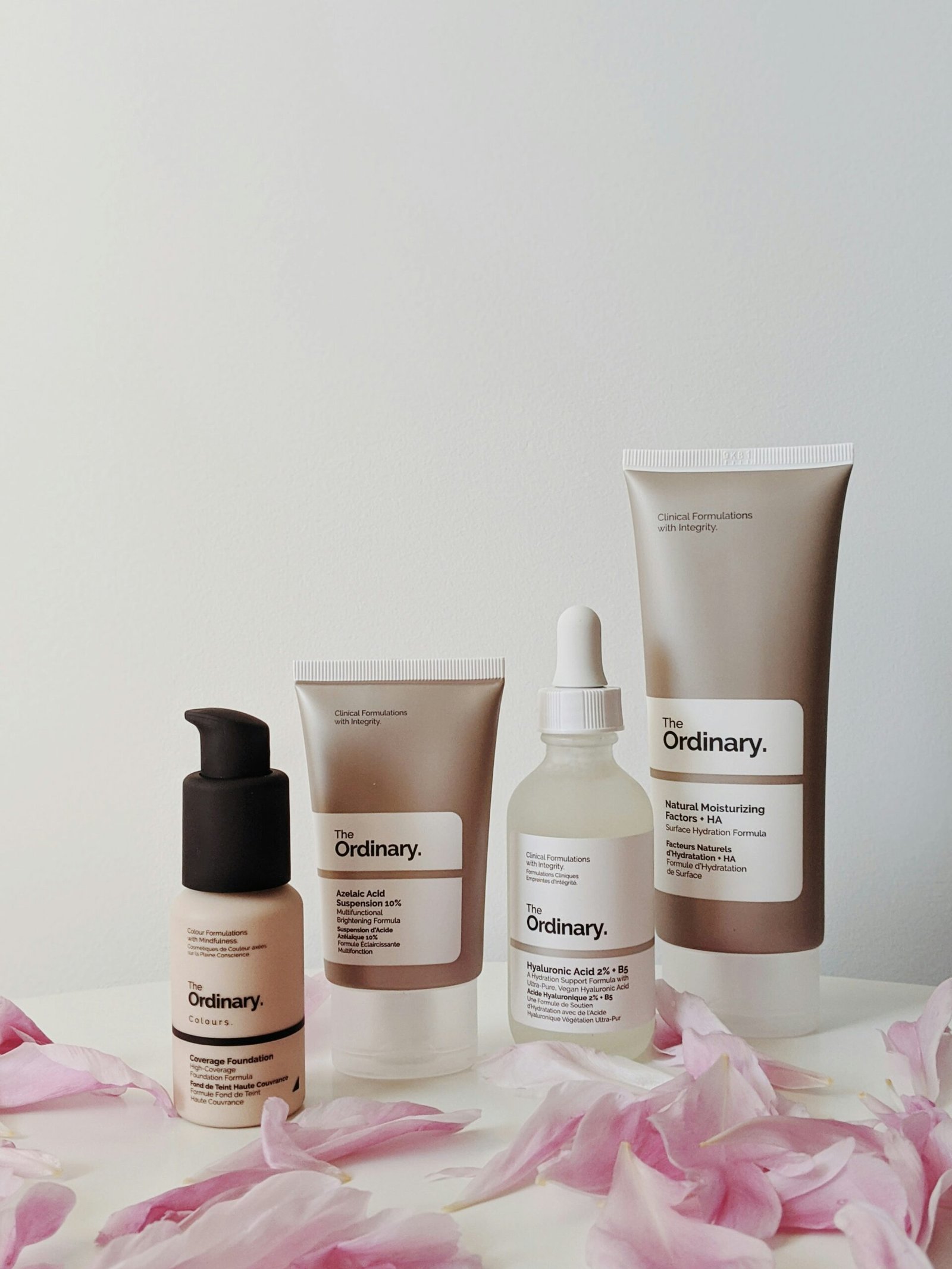
Waking up to healthy, refreshed skin starts with a intentional morning regimen. While an evening regimen focuses on repair and cellular turnover, a well-structured morning skincare routine focuses primarily on two essential goals: hydration and protection.
Throughout the day, your skin faces constant exposure to environmental stressors, including ultraviolet (UV) radiation, atmospheric pollution, high heat, wind, and free radicals. Without a protective barrier of hydration and antioxidants, these external factors can break down collagen, accelerate premature fine lines, cause hyperpigmentation, and disrupt your skin barrier.
In this comprehensive guide, we walk you through the precise step-by-step order for layering your morning products, highlight key ingredients for every skin type, address common beginner mistakes, and share practical advice for long-term skin health.
Table of Contents
- What Is This Skincare Routine?
- Who Should Follow This Routine?
- Benefits of Following This Routine
- Things to Know Before You Start
- Step-by-Step Routine
- Ingredient Recommendations
- Ingredients to Avoid in the Morning
- Recommended Routine Schedule
- Common Mistakes to Avoid
- Tips for Better Results
- Frequently Asked Questions
- Final Thoughts
What Is This Skincare Routine?
A morning skincare routine is a deliberate sequence of topical products applied immediately after waking up to cleanse, nourish, and shield the face and neck.
Unlike night routines that often incorporate strong exfoliating acids or retinoids to rebuild tissue while you sleep, morning regimens prioritize lightweight, fast-absorbing layers that strengthen the moisture barrier and block sun damage.
The core philosophy of morning skincare follows a simple rule of thumb: apply products from thinnest consistency to thickest consistency. This ensures maximum absorption of active ingredients before sealing everything in with a protective moisturizer and sunblock.
Who Should Follow This Routine?
This morning routine is designed for everyone, regardless of age, gender, or skin profile. Whether you have oily, dry, combination, sensitive, or acne-prone skin, applying protective daily products is essential.
- Beginners: Those looking to build an easy, reliable daily habit.
- Oily & Acne-Prone Skin Types: Individuals needing lightweight sebum control without clogging pores.
- Dry & Mature Skin Types: Those seeking deep moisture retention and antioxidant protection against fine lines.
- Sensitive Skin Profiles: Anyone needing barrier repair ingredients to reduce redness and irritation throughout the day.
Individual skin needs vary, but the foundational steps remain remarkably consistent across all skin profiles.
Benefits of Following This Routine
Committing to a consistent morning regimen yields both immediate cosmetic improvements and long-term dermatological health benefits:
- Shields Against UV Damage: Daily sunscreen prevents photoaging, sunburns, dark spots, and skin cancers.
- Neutralizes Free Radicals: Antioxidants neutralize oxidative stress caused by urban pollution and blue light.
- Strengthens Barrier Function: Hydrating layers prevent Transepidermal Water Loss (TEWL) during the day.
- Balances Oil Output: Proper hydration keeps oil glands from overcompensating with excessive sebum.
- Improves Makeup Application: A smooth, hydrated base allows cosmetics to apply evenly without clinging to dry patches.
Things to Know Before You Start
Before diving into the steps, keep these core principles in mind:
- Consistency Beats Complexity: You do not need a 10-step routine to achieve healthy skin. A basic 3-step routine (Cleanser, Moisturizer, Sunscreen) followed every single day performs better than an intricate 10-step routine used sporadically.
- Always Patch Test: Introduce one new active product at a time. Apply a small amount to your inner wrist or jawline for 24–48 hours to check for adverse reactions.
- Listen to Your Skin: Your skin’s needs change with weather, hormones, stress, and lifestyle. Adjust product weight seasonally (e.g., lighter gels in summer, rich creams in winter).
Step-by-Step Routine
Follow this step-by-step breakdown to ensure proper product layering every morning.
Step 1: Gentle Cleanser (Water-based / Water rinse)
Step 2: Hydrating Toner / Essence (Optional prep)
Step 3: Antioxidant Serum (Vitamin C / Niacinamide)
Step 4: Eye Cream (Optional targeting)
Step 5: Moisturizer (Locking in hydration)
Step 6: Broad-Spectrum Sunscreen (Non-negotiable finish)
Step 1 – Gentle Cleanser
Why This Step Matters
Overnight, your skin accumulates sweat, excess sebum, dead skin cells, and residue from your nighttime creams or pillowcases. Cleansing washes away these impurities, creating a fresh canvas for your morning active ingredients to penetrate effectively.
How to Apply
Splashing warm water on your face first. Massage a small amount of water-based gel or cream cleanser over your face and neck using gentle circular motions with your fingertips for 30–60 seconds. Rinse thoroughly with lukewarm water and pat dry gently with a clean microfiber towel.
- How Much to Use: A dime-sized amount (nickel-sized if using a foaming cleanser).
- How Often: Every morning. (Note: Very dry or sensitive skin types can substitute cleanser with a rinse of lukewarm water).
- Common Mistakes: Using hot water, scrubbing with rough washcloths, or using harsh, stripping bar soaps that destroy the moisture barrier.
- Recommended Ingredients: Glycerin, Ceramides, Chamomile, Aloe Vera.
Step 2 – Toner (if appropriate)
Why This Step Matters
Modern hydrating toners are designed to replenish lost moisture immediately after cleansing and restore the skin’s natural pH balance. They act as humectant magnets, prepping skin cells to absorb heavier treatment serums.
How to Apply
Pour a few drops into the palms of your clean hands or onto a reusable cotton pad. Gently press or pat the product directly across your face, neck, and chest until absorbed.
- How Much to Use: 3 to 5 drops.
- How Often: Daily after cleansing.
- Common Mistakes: Using old-fashioned, astringent toners containing high amounts of drying alcohol.
- Recommended Ingredients: Hyaluronic Acid, Rosewater, Centella Asiatica, Panthenol.
Step 3 – Treatment Serum
Why This Step Matters
Serums are concentrated liquid formulas containing high doses of targeted active ingredients. In the morning, antioxidant serums (particularly Vitamin C) act as an internal shield, neutralizing environmental oxidation that penetrates past your surface sunscreen.
How to Apply
Dispense drops directly onto your cheeks or fingertips. Smooth gently over the face and neck, pressing lightly to encourage absorption. Allow 60 seconds for the serum to set before moving to the next layer.
- How Much to Use: 3 to 4 drops (or a pea-sized amount).
- How Often: Every morning.
- Common Mistakes: Touching the dropper glass directly to your face, which introduces bacteria back into the bottle.
- Recommended Ingredients: L-Ascorbic Acid (Vitamin C), Niacinamide, Ferulic Acid.
Step 4 – Eye Cream (Optional)
Why This Step Matters
The delicate skin surrounding your eyes is significantly thinner than the rest of your facial skin, making it prone to early fine lines, dryness, and morning puffiness.
How to Apply
Gently tap a tiny amount around the orbital bone (below the eye and along the brow bone) using your ring finger, which exerts the least pressure. Avoid applying too close to the eyelash line to prevent eye irritation.
- How Much to Use: Half a pea-sized amount split between both eyes.
- How Often: Daily.
- Common Mistakes: Tugging or pulling the thin under-eye skin.
- Recommended Ingredients: Caffeine (for puffiness), Peptides, Hyaluronic Acid.
Step 5 – Moisturizer
Why This Step Matters
A quality moisturizer locks in all preceding hydrating layers while strengthening the outer lipid barrier. It prevents Transepidermal Water Loss (TEWL) throughout the day, keeping skin smooth, supple, and comfortable.
How to Apply
Warm the moisturizer between your fingertips and smooth it evenly upward across your face and downward onto your neck and décolletage.
- How Much to Use: A nickel-sized amount.
- How Often: Every morning.
- Common Mistakes: Skipping moisturizer because you have oily skin. Oily skin still needs water content; skipping moisturizer causes skin to overproduce oil.
- Recommended Ingredients: Ceramides, Squalane, Hyaluronic Acid, Fatty Acids.
Step 6 – Sunscreen (Morning Non-Negotiable)
Why This Step Matters
Sunscreen is the absolute cornerstone of every morning skincare routine. UV rays account for up to 80% of visible facial aging. Applying a broad-spectrum SPF 30 or higher daily protects against sunburns, hyperpigmentation, collagen loss, and skin cancer.
How to Apply
Apply sunscreen as your final skincare step, at least 15 minutes before heading outdoors. Spread evenly over the entire face, ears, neck, and back of the hands. Allow it to set completely for 3 minutes before applying any makeup.
- How Much to Use: The Two-Finger Rule (two full strips of sunscreen along your index and middle fingers) for the face and neck.
- How Often: Every morning, 365 days a year—even on cloudy days or when staying indoors near windows.
- Common Mistakes: Under-applying, relying solely on SPF in foundations, or forgetting to reapply every 2 hours when outdoors.
- Recommended Ingredients: Zinc Oxide, Titanium Dioxide, Avobenzone, Tinosorb.
Ingredient Recommendations
Adjust your active choices based on your primary skin goals:
- Niacinamide (Vitamin B3): Ideal for all skin types. Controls oil, calms redness, minimizes pore size, and strengthens the barrier. To learn more, check out our guide on what is Niacinamide.
- Vitamin C (L-Ascorbyl Acid): The ultimate morning antioxidant. Brightens dull tone, fades dark spots, and boosts collagen synthesis.
- Ceramides: Lipid molecules essential for repairing broken barriers, preventing moisture loss, and protecting sensitive skin.
- Hyaluronic Acid: A powerful humectant that pulls moisture into the skin for an instant plumping effect. For a deeper breakdown, explore what is Hyaluronic Acid.
- Salicylic Acid (BHA): Oil-soluble acid ideal for oily or acne-prone skin to unclog pores in the morning.
- Peptides: Amino acid chains that support firmness and collagen elasticity in mature routines.
Ingredients to Avoid in the Morning
Certain potent active ingredients increase your skin’s sensitivity to sunlight (photosensitivity) or cause irritation when exposed to heat and daylight. Keep these ingredients in your night skincare routine:
- Retinoids (Retinol, Tretinoin, Adapalene): Retinoids break down when exposed to sunlight, rendering them less effective, and can cause irritation when paired with morning sun exposure.
- High-Strength Exfoliating Acids (Glycolic Acid, Lactic Acid): AHAs strip away surface skin cells, making new skin vulnerable to UV damage during daytime hours.
- Benzoyl Peroxide paired with Vitamin C: Benzoyl peroxide can oxidize Vitamin C, neutralizing both ingredients when applied together.
Recommended Routine Schedule
| Step | Morning Focus | Evening Focus | Weekly Treatments |
| Cleanser | Gentle Gel or Water Rinse | Double Cleanse (Oil + Water Base) | Clay Mask (Oily Skin) |
| Toner | Hydrating / pH Balance | Exfoliating or Hydrating | Sheet Mask (Dry Skin) |
| Active Serum | Vitamin C / Niacinamide | Retinol / AHA / BHA / Peptides | Exfoliating Peel (1x/week) |
| Moisturizer | Lightweight Lotion / Gel Cream | Rich Barrier Recovery Cream | Hydrating Overnight Mask |
| Protection | Broad-Spectrum SPF 30+ | None Needed (Rest phase) | N/A |
Common Mistakes to Avoid
- Skipping Sunscreen on Cloudy Days: Up to 80% of UV rays pass through clouds. Apply SPF every day regardless of weather.
- Applying Products in the Wrong Order: Applying heavy creams before lightweight serums blocks active ingredients from penetrating.
- Using Too Many Actives at Once: Layering Vitamin C, Niacinamide, and Salicylic Acid all in one morning can overwhelm and inflame your skin barrier.
- Under-Applying Sunscreen: Applying a thin dab of SPF leaves you with a fraction of the listed protection. Always use two full finger lengths.
- Forgetting the Neck and Chest: The neck and décolletage show age quickly. Extend all cleansers, serums, moisturizers, and sunscreens down to your chest.
- Cleansing with Hot Water: Hot water strips natural oils, damaging your skin barrier and leaving skin tight and inflamed.
- Rubbing Skin Aggressively: Tugging skin with towels damages skin elasticity. Always pat gently.
- Changing Products Too Quickly: Most ingredients take 4 to 8 weeks of consistent use to produce visible results. Give products time to work.
- Touching Droppers to Face Skin: Dropper tips pick up bacteria from your face, contaminating the rest of your bottle.
- Relying Solely on Makeup SPF: You would need to apply 7 to 10 times the normal amount of foundation to achieve the SPF protection stated on the label.
Tips for Better Results
- Apply to Damp Skin: Humectants like Hyaluronic Acid work best when applied to damp skin, drawing surface water deep into the epidermis.
- Wait Between Layers: Allow 30 to 60 seconds between serum, moisturizer, and sunscreen steps so each product sets properly without pilling.
- Keep Clean Hand Towels: Change your facial towel every 2–3 days to prevent transferring bacteria back onto freshly washed skin.
- Pair Vitamin C with SPF: Using a Vitamin C serum under your sunscreen creates a powerful dual defense against sun damage.
Frequently Asked Questions
1. Should I wash my face with cleanser in the morning?
If you have oily or acne-prone skin, using a gentle cleanser in the morning removes overnight oil and dead skin cells. If you have very dry or sensitive skin, rinsing thoroughly with lukewarm water is often sufficient.
2. Can I skip moisturizer if my sunscreen is hydrating?
Yes! Many modern sunscreens are formulated with hydrating ingredients like Hyaluronic Acid and Glycerin. If your sunscreen provides enough moisture for your skin type, it can double as your morning moisturizer.
3. How long should I wait after applying sunscreen before putting on makeup?
Wait 3 to 5 minutes to allow your sunscreen to form a smooth, unbroken protective film over your skin before applying primer or foundation.
4. Is Vitamin C necessary in a morning skincare routine?
While not strictly required, Vitamin C is highly recommended. It acts as a powerful antioxidant that neutralizes environmental pollutants and boosts your sunscreen’s overall efficacy.
5. What is the correct order for applying morning skincare products?
Apply products from thinnest to thickest consistency: Cleanser, Toner, Serum, Eye Cream, Moisturizer, and Sunscreen.
6. Can I use Niacinamide and Vitamin C together in the morning?
Yes. Modern, stable cosmetic formulations allow Niacinamide and Vitamin C to be layered together safely, providing dual benefits for brightening and barrier health.
7. How much sunscreen should I use on my face?
Use the Two-Finger Rule: squeeze two full lines of sunscreen onto your index and middle fingers. This provides the correct amount needed to protect your face and neck.
8. What should I do if my skincare products start pilling?
Pilling occurs when products roll up into small balls. It usually happens if you apply products too quickly, use too much product, or mix oil-based and water-based products incorrectly. Allow 60 seconds between layers and pat products gently into skin instead of rubbing.
9. Can teenagers follow this morning skincare routine?
Yes! A simple teenager morning routine consisting of a gentle cleanser, lightweight oil-free moisturizer, and broad-spectrum sunscreen builds healthy, lifelong skin habits.
10. How long does it take to see results from a new routine?
Hydration improvements are often visible immediately. However, improvements in skin tone, dark spots, acne, and texture typically take 4 to 8 weeks of consistent daily application.
Final Thoughts
Building an effective morning skincare routine is one of the best investments you can make for long-term skin health. By focusing on gentle cleansing, targeted antioxidant protection, barrier-replenishing moisture, and daily broad-spectrum sun protection, you give your skin the tools it needs to stay healthy and radiant.
Skincare is a personal journey that requires consistency and patience over quick fixes. Listen to your skin, adjust your routine seasonally, and focus on daily habits over complex steps.
Ready to discover the perfect custom routine tailored specifically to your skin type, concerns, and lifestyle? Try our free interactive Daily Skincare Routine Finder today!