In modern cosmetic chemistry, few ingredients have achieved the widespread acclaim of Niacinamide. Known scientifically as nicotinamide and commonly referred to as Vitamin B3, this water-soluble vitamin has transformed daily routines across the globe. Unlike aggressive actives that demand long acclimation periods, Niacinamide offers a rare combination of high biological efficacy and outstanding skin tolerance.
Whether your target is excess sebum production, persistent post-inflammatory hyperpigmentation, a compromised skin barrier, or fine lines, Niacinamide is one of the most versatile molecules available in over-the-counter formulations. In this comprehensive guide, we will explore the cosmetic science behind Vitamin B3, break down ideal concentration ranges, address common myths, and explain exactly how to incorporate it into your daily regimen.
Disclaimer: Skincare results vary from person to person based on individual biology, routine consistency, and environmental factors. This educational guide does not constitute medical advice. Consult a board-certified dermatologist for specific dermatological conditions.
Table of Contents
- What Is Niacinamide?
- Quick Facts
- How Does Niacinamide Work?
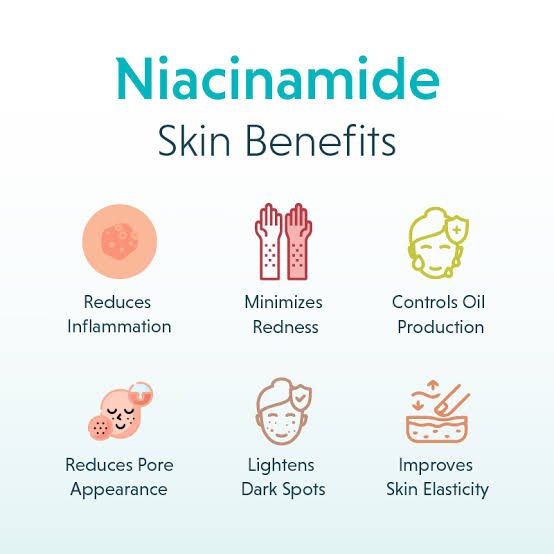
- Benefits of Niacinamide
- Who Should Use Niacinamide?
- Who Should Avoid or Use With Caution?
- Recommended Concentrations
- How to Use Niacinamide
- Ingredients That Work Well With Niacinamide
- Ingredients to Avoid Mixing
- Possible Side Effects
- Common Mistakes Beginners Make
- Products That Contain Niacinamide
- Frequently Asked Questions
- Final Thoughts
What Is Niacinamide?
Niacinamide is an essential amide form of Vitamin B3 (niacin). It is an essential water-soluble nutrient that the human body cannot synthesize in sufficient quantities on its own, meaning it must be acquired through diet, oral supplementation, or topical application.
+-------------------------------------------------------------------------+
|                       VITAMIN B3 FAMILY TREE                            |
+-------------------------------------------------------------------------+
|                               VITAMIN B3                                |
|                                   |                                     |
|                 +-----------------+-----------------+                   |
|                 |                                   |                   |
|            NIACINAMIDE                           NIACIN                 |
|         (Nicotinamide)                       (Nicotinic Acid)           |
|                 |                                   |                   |
|        • Non-flushing form                 • Causes cutaneous flushing   |
|        • Well-tolerated topically          • Used primarily in oral meds |
|        • Neutral pH stability              • Acidic conversion required  |
+-------------------------------------------------------------------------+
In topical formulations, Niacinamide serves as a vital precursor to two key coenzymes: NAD+ (nicotinamide adenine dinucleotide) and NADP+ (nicotinamide adenine dinucleotide phosphate). These coenzymes are crucial driving forces behind cellular metabolism, energy production (ATP synthesis), and DNA repair within skin cells (keratinocytes).
Because it is water-soluble, topically applied Niacinamide dissolves easily in water-based serums, light lotions, and gels. It easily penetrates the upper layers of the skin (stratum corneum) to support cellular functions without relying on heavy oil carriers.
Quick Facts
| Feature | Details |
| Ingredient Type | Water-soluble vitamin (Vitamin B3 precursor to NAD+/NADP+) |
| Best For | Barrier repair, oil regulation, hyperpigmentation, fine lines, redness reduction |
| Suitable Skin Types | All skin types (Normal, Dry, Oily, Combination, Sensitive, Acne-Prone) |
| Common Product Types | Water serums, toners, lightweight moisturizers, eye creams, cleansers |
| Usage Time | Morning (AM) and/or Night (PM) |
| Beginner Friendly? | Yes, exceptionally beginner-friendly at 2%–5% concentrations |
| Pregnancy Note | Generally considered safe for topical use; consult a physician for personal guidance |
| Overall Recommendation | Essential daily foundational ingredient for nearly every skincare routine |
How Does Niacinamide Work?
To appreciate why Niacinamide is so effective, it helps to examine how it behaves within skin tissue. Unlike exfoliation acids that peel away surface cells or retinoids that accelerate cell turnover, Niacinamide acts as a cell-communicating agent and enzymatic fuel source.
+-------------------------------------------------------------------------+
|                     NIACINAMIDE MECHANISM OF ACTION                     |
+-------------------------------------------------------------------------+
| TOPICAL APPLICATION                                                     |
|   |--> Penetrates Stratum Corneum                                       |
|                                                                         |
| ENZYMATIC CONVERSION                                                    |
|   |--> Increases cellular levels of NAD+ and NADP+                      |
|                                                                         |
| CELLULAR RESPONSES                                                      |
|   |--> Up-regulates synthesis of Ceramides, Cholesterol, & Free Fatty Acids |
|   |--> Inhibits Melanosome Transfer from Melanocytes to Keratinocytes     |
|   |--> Down-regulates Sebum Production in Sebaceous Glands              |
|   |--> Reduces Pro-inflammatory Cytokine Activity                       |
+-------------------------------------------------------------------------+
When absorbed into the epidermis, Niacinamide directly boosts cellular NAD+ pools. This enzymatic surge fuels four distinct pathways:
- Lipid Synthesis Elevation: It stimulates the enzyme serine palmitoyltransferase, up-regulating the natural production of ceramides, free fatty acids, and cholesterol—the three essential lipids that form the skin’s moisture barrier.
- Melanosome Transfer Blockade: It stops pigment-producing cells (melanocytes) from transferring pigment packages (melanosomes) into surrounding surface skin cells (keratinocytes).
- Sebum Output Modulation: It acts directly on sebaceous glands to regulate rate-limiting lipid production steps, reducing surface shininess without dehydrating the skin.
- Anti-Inflammatory Signaling: It decreases the release of inflammatory signaling molecules (cytokines such as IL-1β, IL-6, and TNF-α), helping calm reactive skin.
Benefits of Niacinamide
The beauty of Niacinamide lies in its multi-targeted versatility. Below is a breakdown of how it supports healthier skin across multiple concerns.
+-------------------------------------------------------------------------+
|                       CORE BENEFITS OF NIACINAMIDE                      |
+-------------------------------------------------------------------------+
| Barrier Support     : [==========] (Strengthens lipid matrix)           |
| Oil Regulation      : [=========-] (Reduces excessive sebum)            |
| Hyperpigmentation   : [========--] (Inhibits pigment transfer)          |
| Redness / Soothing   : [=========-] (Calms inflammatory response)       |
| Anti-Aging Support  : [======----] (Boosts collagen & energy production)|
+-------------------------------------------------------------------------+
1. Skin Barrier Enhancement
By increasing native ceramide synthesis, Niacinamide reduces Transepidermal Water Loss (TEWL). A strong barrier keeps environmental pollutants, allergens, and microbes out while locking moisture in.
2. Sebum Regulation & Pore Refining
Excess oil leads to dilated pores and congestion. Clinical studies demonstrate that daily application of 2% to 4% Niacinamide significantly lowers total sebum secretion rates within 2 to 4 weeks, making pores look visibly refined.
3. Fading Dark Spots & Hyperpigmentation
By blocking up to 68% of melanosome transfer, Niacinamide helps fade post-acne marks (post-inflammatory hyperpigmentation or PIH), sun spots, and uneven tone without bleaching healthy surrounding tissue.
4. Soothing Redness & Sensitivity
Due to its anti-inflammatory properties, Niacinamide helps soothe skin prone to rosacea, eczema, and flare-ups, making it ideal for reactive skin types.
5. Smooth Texture & Fine Line Support
By aiding cellular energy production, it supports dermal fibroblasts—the cells responsible for generating collagen and elastin—smoothing overall texture and reducing early fine lines over time.
Who Should Use Niacinamide?
Because Niacinamide naturally aligns with human biology, it benefits virtually every skin type:
- Oily and Combination Skin: Helps regulate shine and keep pores clear without harsh, stripping alcohols.
- Dry and Dehydrated Skin: Works synergistically with humectants to boost ceramide levels and lock in hydration.
- Sensitive and Reactive Skin: Strengthens fragile barriers and calms baseline redness.
- Blemish-Prone Skin: Soothes active inflammation while fading dark marks left behind after breakouts heal.
- Mature Skin: Supports elastic fiber networks, boosts hydration, and brightens sun damage.
Who Should Avoid or Use With Caution?
While generally well-tolerated, Niacinamide is not entirely risk-free:
Important Advisory: Individuals with a known allergy to Vitamin B3 complexes or nicotinic acid derivatives should avoid concentrated topical Niacinamide.
- Extreme High-Concentration Users (10% to 20%): Formulations containing 10% or more Niacinamide can cause localized flushing, irritation, or temporary papules in sensitive individuals.
- Compromised Acid Mantle: Applying high-strength formulations to open wounds, active eczema patches, or severely broken skin barriers may cause mild sting or burn sensations.
Recommended Concentrations
More is not always better when it comes to active skincare ingredients. Clinical research highlights clear target ranges:
+---------------------------------------------------------------------------------+
|                        NIACINAMIDE CONCENTRATION SPECTRUM                       |
+-------------------+-----------------------+-------------------------------------+
| Concentration     | Target Purpose        | User Suitability                    |
+-------------------+-----------------------+-------------------------------------+
| 1% - 2%           | Daily Hydration       | Sensitive skin, daily cleansers/creams|
| 3% - 5%           | CLINICAL SWEET SPOT   | Optimal for barrier, oil, PIH       |
| 10%               | Targeted Treatment    | Oily skin, stubborn pores           |
| 15% - 20%         | Advanced Spot Care    | Use with caution; higher rash risk  |
+-------------------+-----------------------+-------------------------------------+
The Clinical Sweet Spot: 2% to 5%
Peer-reviewed clinical trials establish 2% to 5% as the gold standard range. At these levels, Niacinamide delivers maximal barrier repair, oil control, and spot-fading benefits while minimizing the risk of cutaneous irritation or flushing.
High-Strength Formulas: 10% and Above
While 10% serums are widely popular on the consumer market, formulations at 10% to 20% do not necessarily work twice as fast as a 5% serum—and they carry a higher risk of temporary redness or breakouts. If you opt for higher strengths, introduce them gradually.
How to Use Niacinamide
To get the best results from your Niacinamide serum or moisturizer, follow this simple application flow:
1.Cleanse Thoroughly:Morning & Evening.
Wash face with a gentle, balanced cleanser to clear excess oil and impurities without stripping natural skin lipids.
2.Apply Hydrating Toners/Essences:Water-Based First.
If your routine includes hydrating toners or watery essences, apply them first and let them absorb into the skin.
3.Dispense Niacinamide Serum:2 to 4 Drops.
Dispense a pea-sized amount or a few drops of Niacinamide serum onto your fingertips. Gently press and smooth it across face and neck.
4.Apply Moisturizer & Sunscreen:Seal Moisture.
Lock in active ingredients with a quality moisturizer. During morning routines, always finish with a broad-spectrum sunscreen (SPF 30 or higher).
Ingredients That Work Well With Niacinamide
One of Niacinamide’s greatest strengths is its exceptional stability and chemical compatibility. It layers easily alongside many other skincare actives:
+-------------------------------------------------------------------------+
|                        SYNERGISTIC PAIRINGS                             |
+-----------------------+-------------------------------------------------+
| Companion Active      | Synergy Benefit                                 |
+-----------------------+-------------------------------------------------+
| Hyaluronic Acid       | Multi-depth hydration; locks surface moisture   |
| Ceramides             | Complete barrier restoration; lipid replacement |
| Retinol / Tretinoin   | Buffers retinoid irritation; calms peeling      |
| Zinc PCA              | Enhances oil control and blemish soothing       |
| Peptides              | Supports structural collagen and skin firmness  |
| Salicylic Acid (BHA)  | BHA clears inside pores while Vitamin B3 calms |
+-----------------------+-------------------------------------------------+
1. Niacinamide + Retinol
This combination is a dermatologist favorite. Retinol speeds up cell turnover, which can initially cause peeling or dryness. Niacinamide boosts natural ceramide production, offsetting retinoid-induced irritation without compromising its anti-aging benefits.
2. Niacinamide + Hyaluronic Acid
Together, these water-based ingredients form a powerful hydration team. Hyaluronic acid binds water to surface skin layers, while Niacinamide strengthens the outer barrier to keep that moisture from evaporating.
3. Niacinamide + Salicylic Acid (BHA)
Salicylic acid dissolves oil inside clogged pores, while Niacinamide regulates sebum production and calms surface redness—offering a balanced approach for blemish-prone skin.
Ingredients to Avoid Mixing
Despite modern formulation advances, certain ingredient pairings require careful attention to avoid irritation:
+-------------------------------------------------------------------------+
|                    PAIRING CONSIDERATIONS & MYTHS                       |
+-----------------------+-------------------------------------------------+
| Combination           | Science & Practical Approach                    |
+-----------------------+-------------------------------------------------+
| Niacinamide +         | MYTH: Converts to Niacin in room conditions.    |
| Ascorbic Acid (Vit C) | FACT: Safe to pair in modern formulas. Sensitive|
|                       | skin types can alternate AM/PM to reduce flush.|
+-----------------------+-------------------------------------------------+
| Niacinamide +         | Low pH may cause temporary flushing. Apply AHA/ |
| High-Strength AHAs    | BHA first, wait 5-10 minutes, then apply B3.   |
+-----------------------+-------------------------------------------------+
The Vitamin C (L-Ascorbic Acid) Pairing Myth
A longstanding skincare myth claims that pairing Niacinamide with Vitamin C creates nicotinic acid, causing severe flushing and neutralizing both ingredients.
While combining pure L-Ascorbic Acid and Niacinamide at extremely high temperatures in an unbuffered environment can form a complex called nicotinamide ascorbate, this reaction rarely occurs at room temperature on human skin.
Modern formulations mix these ingredients safely. However, if you have highly sensitive skin or react easily, you can apply Vitamin C in the morning and Niacinamide at night.
Possible Side Effects
Niacinamide is exceptionally safe, but mild side effects can occur—especially with high-strength formulations (10%+):
- Cutaneous Flushing: Temporary warmth and redness caused by blood vessel dilation, often triggered when high concentrations convert slightly to nicotinic acid on very low-pH skin.
- Mild Stinging: A brief tingling sensation when applied to raw, over-exfoliated, or compromised skin.
- Contact Dermatitis: Rarely, individuals may develop localized allergic responses to inactive preservatives or stabilizers in a specific product.
When to Stop Use: If you experience severe burning, persistent itching, hives, or swelling, rinse the product off immediately with cool water and discontinue use.
Common Mistakes Beginners Make
Avoid these common pitfalls to get the best results from your Niacinamide routine:
- Assuming Higher Percentages are Always Better: Choosing a 10% to 20% serum when a 2% to 5% formula offers equal benefits with far less risk of irritation.
- Skipping a Patch Test: Applying a new high-strength serum to the entire face without testing a small area behind the ear or on the inner arm first.
- Over-Applying Product: Using multiple full droppers of serum when 2 to 4 drops are sufficient for the entire face and neck.
- Expecting Instant Overnight Results: Expecting hyperpigmentation to fade immediately; visible tone improvements typically require 4 to 8 weeks of consistent daily use.
- Overloading the Skin: Layering multiple products that all contain high levels of Niacinamide (cleanser, toner, serum, moisturizer) simultaneously.
- Applying to Compromised Skin Without a Buffer: Layering high-potency formulas onto open cuts, raw eczema patches, or actively weeping breakouts.
- Neglecting Sunscreen: Fading dark spots with Niacinamide while skipping daily SPF, allowing UV rays to trigger new melanin production.
- Misattributing Purging: Assuming Niacinamide causes “purging.” Because it does not accelerate cell turnover like AHAs, BHAs, or retinoids, sudden breakouts usually indicate clogged pores or sensitivity to inactive ingredients.
- Rushing Application: Applying liquid foundation immediately over a heavy serum without giving it 2 to 3 minutes to settle.
- Inconsistent Daily Application: Using the product sporadically once a week rather than maintaining a steady daily or twice-daily routine.
Products That Contain Niacinamide
Below are notable product examples featuring Niacinamide across different price points and formulations:
+---------------------------------------------------------------------------------+
|                       POPULAR NIACINAMIDE FORMULATIONS                          |
+------------------------+---------------+----------------------------------------+
| Product Name           | Texture/Type  | Best For                               |
+------------------------+---------------+----------------------------------------+
| The Ordinary 10% + Zinc| Water Serum   | Oily & blemish-prone skin on a budget  |
| Paula's Choice 10%     | Fluid Dropper | Stubborn pores & uneven skin tone      |
| CeraVe PM Facial Lotion| Lightweight   | Daily night barrier repair & hydration |
| La Roche-Posay B3 Serum| Rich Serum    | Sensitive skin with dark spots & aging |
+------------------------+---------------+----------------------------------------+
1. The Ordinary Niacinamide 10% + Zinc 1%
- Overview: An affordable water-based serum that pairs high-strength Vitamin B3 with Zinc PCA to balance surface oil.
- Best Suited For: Oily, combination, and acne-prone skin types looking for cost-effective shine control.
2. Paula’s Choice 10% Niacinamide Booster
- Overview: A lightweight, fluid serum enriched with soothing antioxidants and hydrating agents.
- Best Suited For: Those seeking to refine enlarged pores, smooth rough texture, and boost overall radiance.
3. CeraVe PM Facial Moisturizing Lotion
- Overview: A classic dermatologist-recommended moisturizer that combines 4% Niacinamide with three essential ceramides and hyaluronic acid.
- Best Suited For: Normal, dry, and sensitive skin types looking for gentle, all-in-one night care.
Frequently Asked Questions
1. Does Niacinamide cause skin purging?
No. Skin purging occurs when ingredients accelerate cellular turnover (like retinoids or exfoliating acids), bringing underlying microcomedones to the surface faster. Niacinamide does not accelerate cell turnover, so sudden breakouts are usually a sign of irritation or clogged pores from inactive ingredients.
2. How long does Niacinamide take to show results?
Improvements in oil regulation and hydration are often noticeable within 1 to 2 weeks. Fading dark spots, smoothing texture, and strengthening the skin barrier typically require 4 to 8 weeks of consistent daily application.
3. Can I use Niacinamide every day?
Yes. Niacinamide is gentle enough for daily use, both morning and night, provided your skin tolerates the concentration.
4. Is a 10% Niacinamide serum better than a 5% serum?
Not necessarily. Clinical studies show that 2% to 5% concentrations deliver significant benefits for barrier support, oil regulation, and spot fading. Higher concentrations (10%+) can increase the risk of temporary flushing or irritation without guaranteeing faster results.
5. Can I use Niacinamide under sunscreen?
Yes. Niacinamide absorbs easily and pairs well with broad-spectrum sunscreens, providing antioxidant protection against daily environmental stressors.
6. Does Niacinamide help with active acne?
Niacinamide helps soothe the redness and swelling associated with inflammatory blemishes and reduces excess oil. However, for severe acne, it works best alongside targeted treatments like benzoyl peroxide or salicylic acid.
7. Is Niacinamide safe during pregnancy?
Topical Niacinamide is generally considered safe during pregnancy when used in cosmetic concentrations. However, always consult your healthcare provider or dermatologist for personalized medical guidance.
8. Will Niacinamide dry out my skin?
No. Niacinamide naturally boosts ceramide production, which helps your skin retain moisture. If you experience dryness, check whether another product in your routine contains drying alcohols or strong exfoliants.
9. Can I use Niacinamide around my eyes?
Yes. Many eye creams include gentle concentrations (1% to 3%) of Niacinamide to help brighten dark circles, smooth fine lines, and hydrate the delicate eye area.
10. How should I store my Niacinamide serum?
Store your serum in a cool, dry place away from direct sunlight. Unlike pure Vitamin C, Niacinamide is chemically stable and resistant to heat and light breakdown.
Final Thoughts
Niacinamide has earned its place as a staple ingredient in modern skincare formulations. Backed by extensive cosmetic research, Vitamin B3 offers a rare balance of powerful multi-target benefits—including barrier repair, oil control, dark spot fading, and texture smoothing—while maintaining excellent tolerance across all skin types.
To get the most out of Niacinamide, choose a comfortable concentration (2% to 5%), apply it consistently, and pair it with a balanced routine built around gentle cleansing, hydration, and daily broad-spectrum sun protection.